
How To Make A Nutrient-Dense Protein Smoothie For Chronic Fatigue
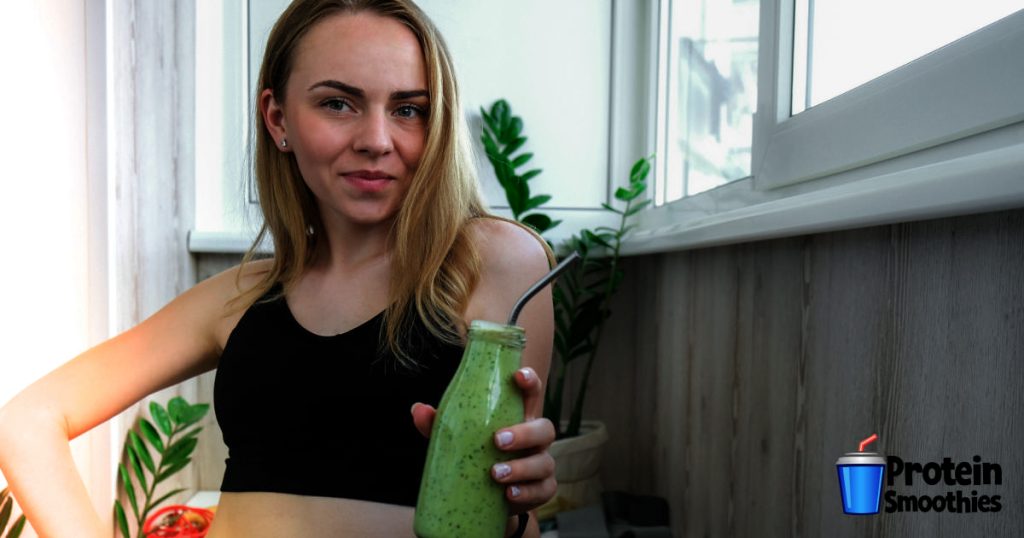
Elevate your vitality with a nutrient-dense protein smoothie! Discover how to craft delicious blends that fuel your body and energize your day.
Understanding the Importance of Protein in Your Diet
Protein is an essential macronutrient that plays a pivotal role in maintaining and repairing the body’s tissues. It is a fundamental component of every cell in the body, contributing to muscle growth, immune function, and the production of enzymes and hormones. Consuming an adequate amount of protein is crucial for sustaining health, especially for those who lead an active lifestyle. Protein provides the building blocks for muscle repair and growth, helping to build strength and endurance.
Furthermore, protein is vital for maintaining a healthy metabolism. It has a higher thermic effect compared to fats and carbohydrates, meaning the body uses more energy to digest and metabolize protein. This can aid in weight management by increasing calorie expenditure and promoting satiety, which can reduce overall calorie intake. Therefore, incorporating protein-rich foods into your diet can help you achieve and maintain a healthy weight.
Additionally, protein supports the immune system by synthesizing antibodies that help the body fight off infections and diseases. Without sufficient protein intake, the body’s immune response can be compromised, leading to increased susceptibility to illness. Thus, ensuring an adequate intake of protein is essential for overall health and well-being.
Key Nutrients for Energy Boosting
Beyond protein, several key nutrients play significant roles in boosting energy levels. Carbohydrates are the body’s primary source of energy, and consuming complex carbohydrates can provide a sustained release of energy throughout the day. Foods like whole grains, fruits, and vegetables are excellent sources of complex carbohydrates that can help maintain steady blood sugar levels and prevent energy crashes.
Vitamins and minerals are also integral to energy production. B vitamins, particularly B6 and B12, are crucial for converting food into energy. They help in the metabolism of carbohydrates, fats, and proteins, ensuring that the body can efficiently utilize these macronutrients. Iron is another essential mineral for energy production, as it is a critical component of hemoglobin, which transports oxygen to the body’s cells. Without sufficient iron, the body can experience fatigue and reduced physical performance.
Healthy fats are another important nutrient for energy. While carbohydrates provide quick energy, fats offer a more sustained source of fuel. Omega-3 fatty acids, found in foods like flaxseeds, chia seeds, and fatty fish, are particularly beneficial for brain health and can help maintain mental clarity and focus. Including a balance of healthy fats in your diet can support overall energy levels and cognitive function.
Choosing the Right Protein Source
When it comes to selecting the right protein source for your smoothie, there are several options to consider, each with its own set of benefits. Whey protein, derived from milk, is a popular choice due to its high biological value and rapid absorption. It contains all essential amino acids and is particularly rich in branched-chain amino acids (BCAAs), which are vital for muscle repair and growth. Whey protein is ideal for post-workout recovery or for those looking to build muscle mass.
Plant-based protein powders, such as pea, hemp, and brown rice protein, offer a great alternative for those who are lactose intolerant or prefer a vegan diet. These protein sources are hypoallergenic and easy to digest, making them suitable for individuals with food sensitivities. Plant-based proteins often contain fiber, which can aid in digestion and help maintain stable blood sugar levels. Additionally, they provide a diverse range of nutrients and antioxidants that support overall health.
For those seeking a more natural approach, whole food protein sources can be incorporated into smoothies. Greek yogurt, cottage cheese, and nut butters are excellent options that add creaminess and a rich flavor to your smoothie. These whole food proteins not only provide a substantial amount of protein but also contribute essential vitamins, minerals, and healthy fats. Choosing the right protein source ultimately depends on your dietary preferences, nutritional needs, and personal taste.
Essential Ingredients for a Nutrient-Dense Smoothie
Crafting a nutrient-dense smoothie requires a careful selection of ingredients that provide a balance of macronutrients and micronutrients. Start with a high-quality protein source, such as whey protein, pea protein, or Greek yogurt, to ensure a solid foundation of muscle-building protein. Adding a variety of fruits and vegetables will supply essential vitamins, minerals, and antioxidants. Berries, spinach, kale, and bananas are popular choices that blend well and offer a range of health benefits.
Including a source of healthy fats is crucial for sustained energy and satiety. Nut butters, avocado, chia seeds, and flaxseeds are excellent options that add a creamy texture and a dose of omega-3 fatty acids. These fats not only support brain health but also help absorb fat-soluble vitamins like A, D, E, and K. Additionally, incorporating a source of complex carbohydrates, such as oats or sweet potatoes, can provide long-lasting energy and fiber to keep you full and satisfied.
To enhance the nutritional profile of your smoothie, consider adding superfoods and adaptogens. Ingredients like spirulina, maca powder, and turmeric offer unique health benefits, including anti-inflammatory properties and improved stress resilience. These superfoods can boost the immune system, support detoxification, and enhance overall well-being. Combining these essential ingredients will create a well-rounded, nutrient-dense smoothie that fuels your body and energizes your day.
Step-by-Step Guide to Crafting Your Protein Smoothie
Creating the perfect protein smoothie is both an art and a science. Start by selecting your base liquid, which can be water, milk, or a plant-based milk alternative like almond or coconut milk. The choice of liquid will affect the texture and flavor of your smoothie, so choose one that complements your other ingredients. For a thicker consistency, use less liquid; for a thinner smoothie, add more.
Next, add your protein source. If you’re using a protein powder, follow the serving size recommendations on the package. If you prefer whole food proteins, measure out a serving of Greek yogurt, cottage cheese, or nut butter. Ensure that your protein source blends well with your chosen liquid to avoid clumping and ensure a smooth texture.
Incorporate a variety of fruits and vegetables for a nutrient boost. Fresh or frozen fruits like berries, bananas, and mangoes add natural sweetness and a range of vitamins and minerals. Leafy greens such as spinach and kale are excellent for adding fiber and antioxidants without altering the flavor significantly. To enhance the texture and nutritional content, consider adding a handful of oats or a small piece of cooked sweet potato.
Add healthy fats to your smoothie for sustained energy and satiety. A tablespoon of flaxseeds, chia seeds, or a quarter of an avocado will provide essential fatty acids and a creamy texture. If you enjoy a nutty flavor, a spoonful of almond butter or peanut butter can be a delicious addition.
Finally, blend your smoothie until smooth and creamy. If the consistency is too thick, add a little more liquid and blend again. Taste your smoothie and adjust the flavors as needed by adding natural sweeteners like honey, maple syrup, or a few pitted dates. Pour your smoothie into a glass or a to-go cup, and enjoy the refreshing, nutrient-packed beverage that will keep you energized throughout the day.
Flavouring Your Smoothie: Natural Sweeteners and Add-Ins
While fruits naturally add sweetness to smoothies, you may sometimes want to enhance the flavor with additional sweeteners. Opt for natural sweeteners that provide added nutrients and health benefits. Honey is a popular choice, offering antimicrobial properties and a rich, distinct flavor. Maple syrup is another excellent option, providing essential minerals like zinc and manganese along with its sweet taste.
Dates are a fantastic natural sweetener that also adds fiber and a caramel-like flavor. Simply remove the pits and blend them into your smoothie for a touch of natural sweetness. Stevia, a plant-based sweetener, is also a great option for those looking to reduce sugar intake. It is calorie-free and does not spike blood sugar levels, making it suitable for individuals managing their blood glucose.
In addition to sweeteners, consider adding flavor-enhancing ingredients like spices and extracts. Cinnamon, nutmeg, and ginger add warmth and depth to your smoothie, while also offering anti-inflammatory and antioxidant benefits. Vanilla or almond extract can elevate the flavor profile with just a few drops. For a chocolatey twist, add a spoonful of unsweetened cocoa powder or cacao nibs, which are rich in antioxidants and magnesium.
Experimenting with various add-ins can also enhance the nutritional content of your smoothie. A tablespoon of chia seeds or hemp seeds boosts omega-3 fatty acids and protein. A scoop of collagen peptides supports joint health and skin elasticity. Adding a handful of spinach or kale increases the vitamin and mineral content without altering the flavor significantly. Tailoring your smoothie with these natural sweeteners and add-ins allows you to create a delicious and nutrient-dense beverage that suits your taste and dietary needs.
Tips for Meal Prep: Making Smoothies Ahead of Time
Preparing smoothies in advance can save time and ensure you have a nutritious option readily available, especially on busy mornings. Start by pre-portioning your smoothie ingredients into individual freezer bags or containers. Combine fruits, vegetables, and any dry ingredients like oats or seeds. Label each bag with the date and contents for easy identification. When you’re ready to make your smoothie, simply dump the contents into your blender, add your liquid and protein source, and blend until smooth.
Another effective meal prep strategy is to prepare smoothie packs for the week. Dedicate some time on the weekend to portion out your ingredients for each day. Store the packs in the freezer to maintain freshness and nutrient quality. Freezing the ingredients not only preserves their nutritional value but also creates a thick, frosty texture when blended. This method is particularly useful for those with busy schedules, as it reduces the effort needed to prepare a smoothie each morning.
For an even more convenient option, consider making large batches of smoothies and storing them in the refrigerator. Blend a few servings at once and pour them into individual glass jars or bottles with airtight lids. Smoothies can be kept in the fridge for up to 3 days. Before consuming, give the smoothie a good shake or stir to recombine any settled ingredients. This approach allows you to grab a ready-made, nutrient-dense smoothie on your way out the door, ensuring you start your day with a healthy boost of energy.
Common Mistakes to Avoid When Making Smoothies
While smoothies are a convenient and nutritious option, there are common mistakes that can compromise their health benefits. One common error is using too much fruit, which can lead to excessive sugar intake. While fruits are rich in vitamins and antioxidants, they also contain natural sugars that can spike blood sugar levels if consumed in large quantities. Aim for a balanced ratio of fruits to vegetables to keep sugar levels in check and enhance the nutrient profile of your smoothie.
Another mistake is neglecting to include a source of protein. Smoothies that consist primarily of fruits and vegetables may provide essential vitamins and minerals, but they lack the protein needed for muscle repair and sustained energy. Always include a protein source, whether it’s a protein powder, Greek yogurt, or nut butter, to ensure your smoothie is well-rounded and satiating.
Additionally, using low-quality or heavily processed ingredients can diminish the health benefits of your smoothie. Avoid using artificial sweeteners, flavored yogurts with added sugars, or fruit juices that lack fiber. Opt for whole, natural ingredients that provide maximum nutritional value. Reading ingredient labels and choosing organic options when possible can help you avoid unwanted additives and preservatives.
Finally, blending your smoothie for too long can result in a thin, watery consistency and may cause the ingredients to oxidize, reducing their nutritional value. Blend your smoothie just until the ingredients are well combined and smooth. Over-blending can also heat up the smoothie, which can affect the taste and texture. By being mindful of these common mistakes, you can create delicious, nutrient-dense smoothies that support your health and energy levels.
Variations: Customizing Your Smoothie for Specific Goals
One of the greatest advantages of smoothies is their versatility, allowing you to customize them to meet specific health goals. For those looking to build muscle, focus on high-protein ingredients and add-ins. Incorporate a quality protein powder, Greek yogurt, or cottage cheese for a substantial protein boost. Adding a tablespoon of peanut butter or almond butter can increase the calorie and protein content, supporting muscle growth and recovery.
If your goal is weight loss, prioritize ingredients that promote satiety and reduce calorie intake. Opt for a base of low-calorie, high-fiber vegetables like spinach, kale, and cucumber. Include a source of protein to keep you full and satisfied, such as protein powder or a scoop of chia seeds. Healthy fats like avocado or a small amount of flaxseed oil can enhance satiety without adding too many calories. Avoid high-sugar fruits and sweeteners, and focus on nutrient-dense, low-calorie options.
For those seeking to boost their immune system, incorporate ingredients rich in vitamins and antioxidants. Citrus fruits like oranges and lemons provide a dose of vitamin C, which supports immune function. Berries are packed with antioxidants that help fight off free radicals and reduce inflammation. Adding a small piece of ginger or turmeric can enhance the anti-inflammatory properties of your smoothie and provide a warming, spicy flavor.
If you’re looking to improve digestion, focus on ingredients that support gut health. Probiotic-rich foods like kefir or Greek yogurt can promote a healthy balance of gut bacteria. Fiber-rich ingredients like chia seeds, flaxseeds, and leafy greens aid in digestion and regularity. A splash of aloe vera juice or a few slices of cucumber can soothe the digestive tract and promote hydration.
Customizing your smoothie to align with your health goals allows you to create a targeted, nutrient-dense beverage that supports your specific needs. Experimenting with different ingredients and combinations can help you discover your favorite blends and achieve your desired outcomes.
Energize Your Day with a Protein Smoothie
Crafting a nutrient-dense protein smoothie is a simple and effective way to boost your energy levels, support muscle growth, and enhance overall health. By understanding the importance of protein and key nutrients, choosing the right ingredients, and avoiding common mistakes, you can create delicious and balanced smoothies that fuel your body and mind. Whether you’re looking to build muscle, lose weight, or improve digestion, customizing your smoothie with specific ingredients can help you achieve your health goals.
Incorporating smoothies into your daily routine can provide a convenient and enjoyable way to consume a variety of nutrients. With the tips and guidelines provided in this article, you can confidently experiment with different flavors and combinations to find the perfect smoothie that suits your taste and dietary needs. Remember to prioritize whole, natural ingredients and be mindful of portion sizes to ensure your smoothie is both delicious and nutritious.
So, grab your blender and start crafting your nutrient-dense protein smoothie today. Elevate your vitality and energize your day with a refreshing and health-boosting beverage that nourishes your body from the inside out. Cheers to a healthier, more vibrant you!